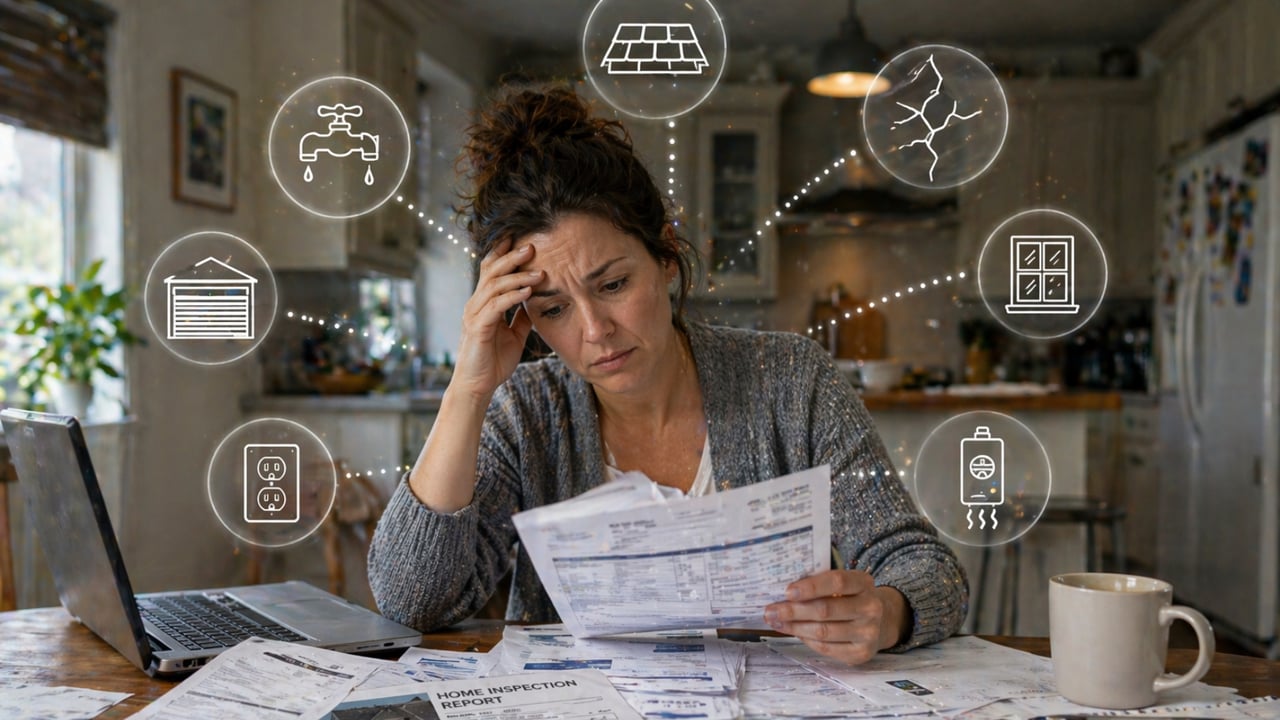
6 Surprise Home Repairs
home buyer Based on Realtor.com article byYaёl Bizouati-Kennedy April 13, 2026 May 1, 2026
home buyer Based on Realtor.com article byYaёl Bizouati-Kennedy April 13, 2026 May 1, 2026
Homeownership comes with a lot of things nobody warns you about. The mortgage you planned for. The $12,000 roof replacement? Not so much.
Most people know things break eventually. It's just part of owning a place. What catches us off guard is how fast a small problem can spiral once a home starts aging and repair costs keep climbing. A slow drip under the sink becomes a subfloor replacement. A rattling HVAC becomes a full system swap. It happens faster than you'd think, and rarely (if ever) at a convenient time.
The good news is most of these expensive surprises aren't actually that surprising if you know what to look for. The repairs that blindside homeowners tend to follow a pattern: they stay hidden, and then one day they don't. It feels random. It’s usually not.
Knowing what those surprise repairs are and roughly what they cost in Fernandina Beach, Yulee and/or NE Florida puts you in a much better spot to handle them without the panic.
Here's what tends to catch homeowners off guard, and what you can do to get ahead of it.
The 6 Costliest Surprise Repairs Homeowners Face
A recent report found that 76% of homeowners had a repair or home-related issue that impacted their finances last year. The most expensive repairs tend to build over time, behind the scenes of day-to-day life, and then suddenly they can't be ignored. Across the U.S., these are the six issues that blindside homeowners most often and carry the biggest price tags.
1. Roofing (**surprise...not surprise**)
Most homeowners don't think about their roof until something goes wrong or an insurance renewal forces the conversation. By then, there's not much room to delay.
Insurance trend example: 280% increase in non-renewals since 2018 in high-risk areas. In consulting a local Fernandina/Georgia roofer with multiple years of experience: age and poor maintenance are the main reasons for failure in northeast Florida. Poor installation is also another cause for early failure.
2. Foundation Issues
Foundation problems have a way of looking minor for a long time. A small crack or shift can be easy to brush off, but sometimes it points to something more serious going on underneath.
Common triggers: soil movement, moisture changes, seasonal shifts. Of course in our area, there are other triggers -- one local foundation specialist that covers NE Florida states the 2 biggest reasons for failure in our area are (1) soil erosion seen with the soft, sandy soils of the area and (2) changes in water tables, especially after larger rains and changes to drainage systems.
3. HVAC Systems
Heating and cooling systems tend to run smoothly in the background right up until they stop working. When that happens, the cost depends a lot on what failed and how old the system is.
From personal observations, the biggest issue is with poor condensate line drainage. Northeast Florida is a moist environment where mold etc can grow quickly. If the drain is not working, water is sitting -- and the system gets backed up. Other culprits are often times dirty air filters (especially in new construction where there is still a lot of dust.)
4. Sewer Line Failures
Most homeowners never think about their sewer line until there's a backup. The problem is the damage builds up gradually underground, and by the time it's obvious, the repair bill is rarely small.
We still have a decent number of septic tank use, especially in the western portion of the county (think Hilliard, Callahan & parts of Yulee -- though they are in every zip code). Depending on the number of users, you may need to have service sooner or later. Another (often missed) consideration is the foliage that grows near the lines.
5. Plumbing Problems
A slow drip or a minor leak is easy to put off. But water damage doesn't wait, and what starts as a small fix can turn into a much bigger project once walls or flooring get involved.
Of course, this could fold over to some of the problems above. Often times, no one is aware of the leak because it is in a dark corner no one checks (around the base of the toilet, back of a cabinet). This is especially true in 2nd home scenarios that are not used as frequently.
6. Termite or Pest Damage
Pest damage is easy to miss because it usually stays hidden inside walls and framing until it's well established. By the time it shows up visually, the repair scope tends to be significant.
Northeast Florida is known especially for subterranean termites - but these are not the only ones to become a problem. "Wood destroying organisms" often fall into this category, such as wood rot fungi, that can be unsightly and decrease the integrity of the wood.
How Homeowners Can Plan Ahead and Reduce Risk
Most surprise repairs aren't actually that surprising in hindsight. There were usually early signs or a window to catch the problem before it got expensive. The difference is usually just how proactive the homeowner was willing to be.
A little planning goes a long way, especially in [Your Market], where [specific local conditions that could wear down critical property systems faster].
Here are a few home maintenance strategies that make a real difference.
Homeowners who stay on top of maintenance rarely face the worst of it. When something does go wrong, they're usually in a much better position to handle it without the stress of being caught off guard.
Smart Budgeting and Cost Control Strategies
Even with good maintenance habits, breakdowns are going to happen. The goal is to be financially ready for them so they don't derail everything else.
Having a plan for pricey repairs makes those moments a lot less stressful, especially as home repair costs keep rising:
Homeowners who treat maintenance as a regular expense tend to stay in a stronger financial position. They make decisions based on what's actually best for the home, not just what feels most urgent at the moment.
"An ounce of prevention is worth a pound of cure." - Benjamin Franklin


Amelia Island
Realtor.com Released The Week & Tells Us Why

florida real estate
And Where We Stand in Fernandina Beach
home buyer
And How This Could Influence Your Purchase
real estate investing
Here's What That Means for Buyers
home buyers
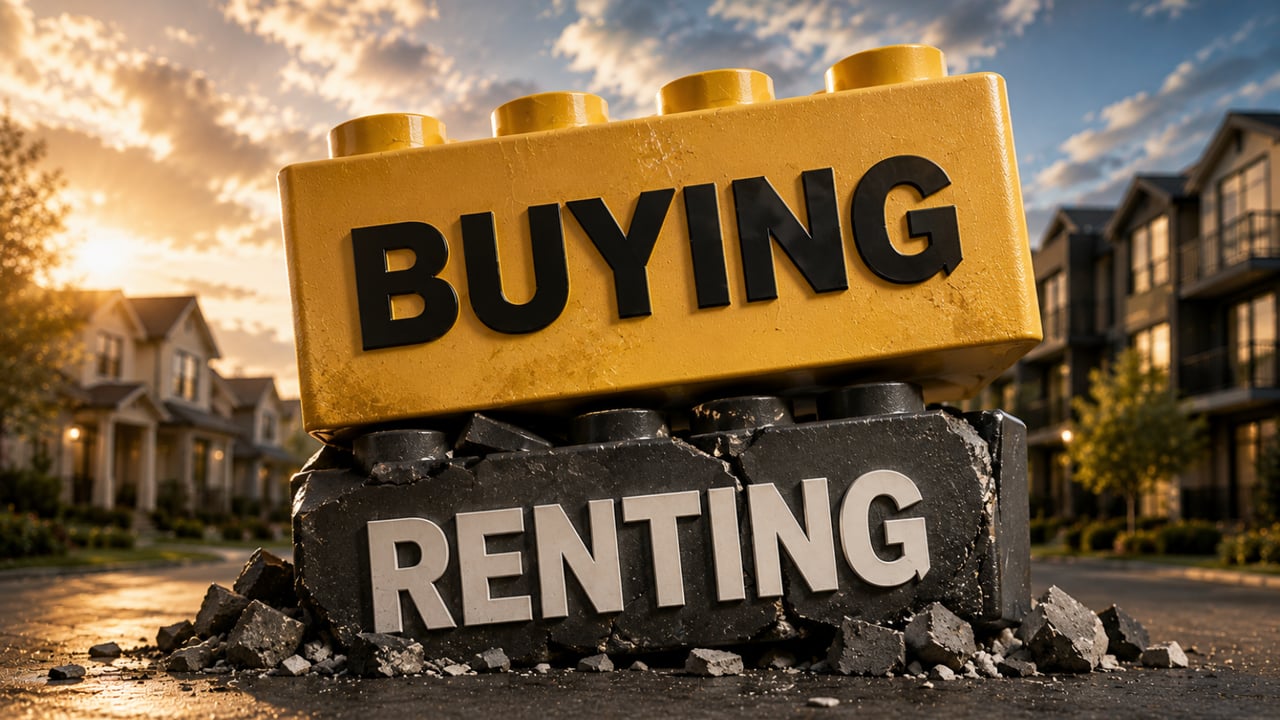
53% of Americans Now Prefer Buying Over Renting For the First Time Since 2023
florida real estate
Here Are 5 Ways That May Help Lower Your Bill
home buyer
And How to Prepare for Them
home buyers
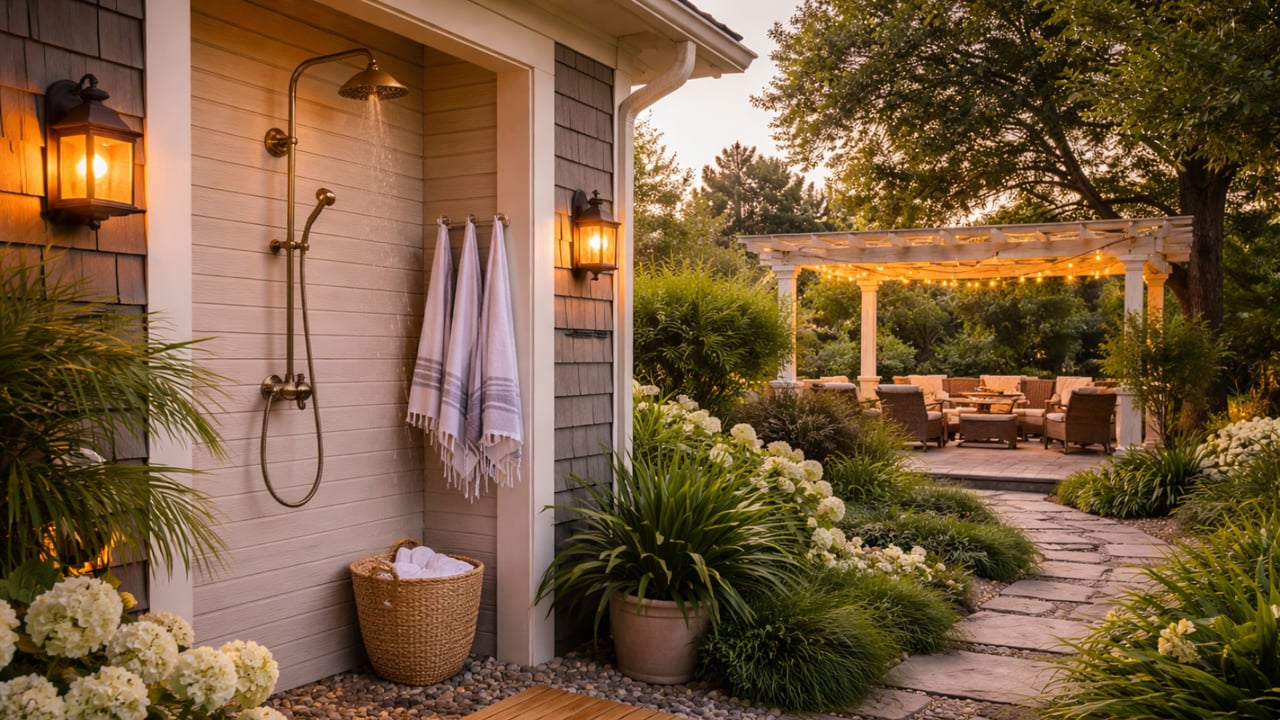
Homes with certain features are selling for up to 5.4% more, according to Zillow data. Learn what buyers value most and how to position your home to maximize price.
fernandina beach
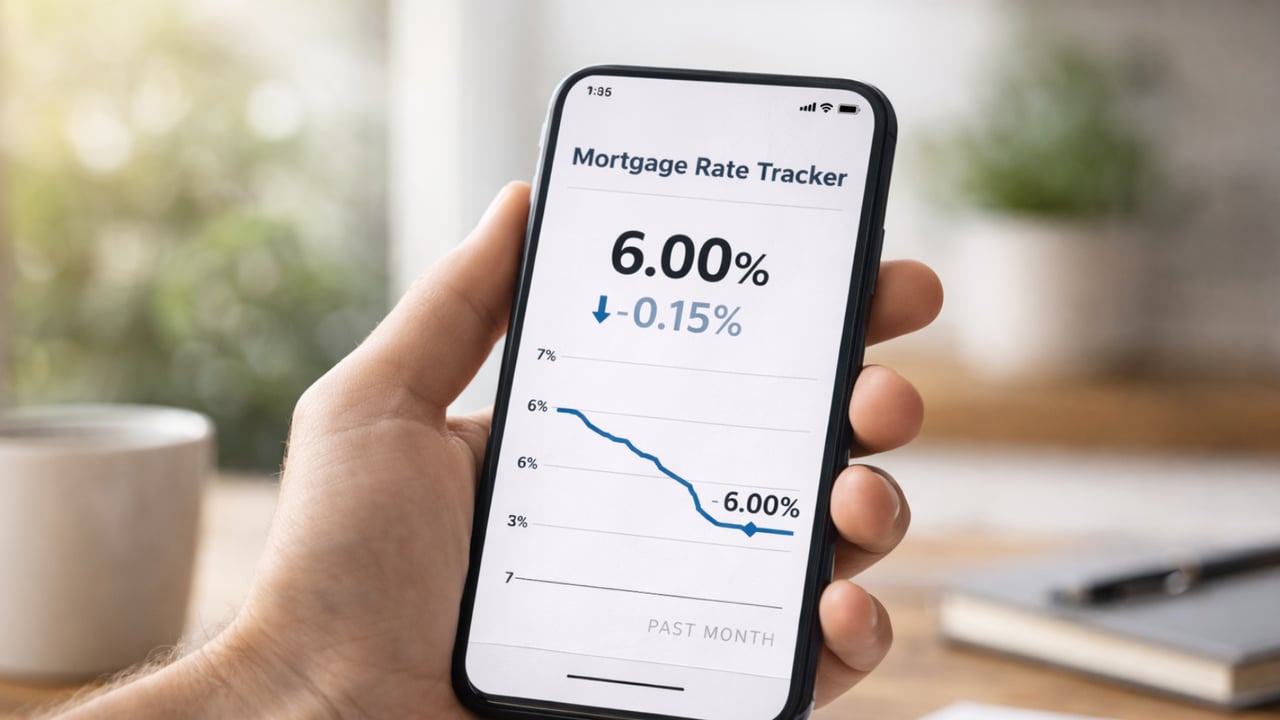
And how affordability is slowing changing
Get assistance in determining current property value, crafting a competitive offer, writing and negotiating a contract, and much more. Contact me today.